
Closing the observation gap: A global perspective on inpatient safety
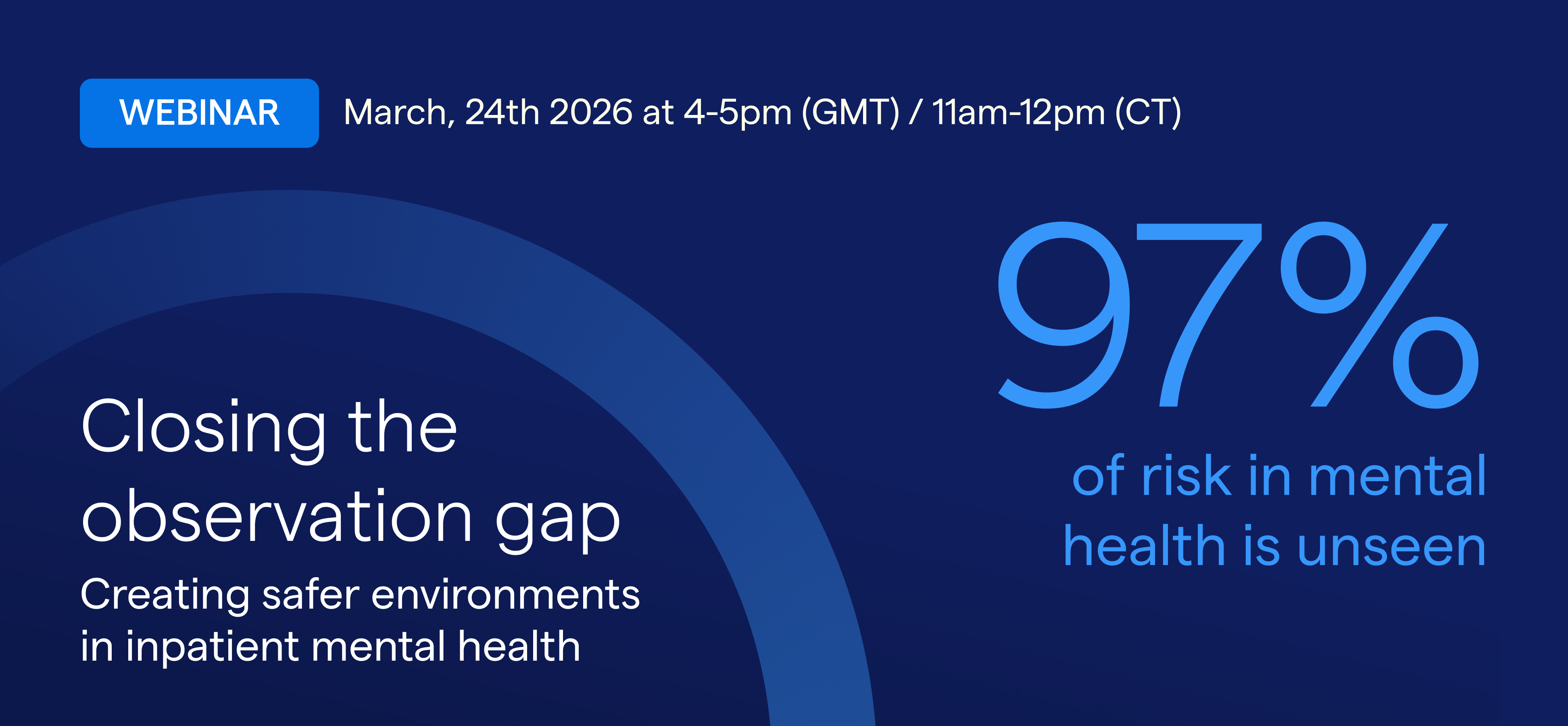
In inpatient mental health, the standard 15-minute observation captures only 3% of a patient’s day, leaving clinical teams "blind" to 97% of potential risks. To address this challenge, Michael Genovese, MD, JD hosted a cross-Atlantic panel of leaders from the NHS, Lakeland Regional Health, and Vail Health to discuss the transition from episodic checks to a model of continuous, proactive care.
The invisible risks of episodic care
- Predictability: Episodic observations create a "rhythm" that patients in deep distress can easily identify. This unfortunately allows those intent on self-harm to identify windows of time where they are unsupported, turning a safety protocol into a predictable gap in care.
- The "silent" medical crisis: Patients are increasingly admitted with complex physical health needs, presenting with comorbidities like diabetes, epilepsy, and cardiac disease. Passive respiratory or cardiac events during sleep are often missed by traditional episodic checks.
- False assurance: Traditional observations are resource-heavy and "ritualistic," often providing a sense of security without delivering deep clinical insight.
Alleviating staff burnout and the administrative burden
Digital monitoring isn't just about data; it’s about "returning time to care."
- Combating fatigue: Manual clipboard rounds often become a "rote routine," where staff fatigue leads to missed clinical nuances.
- Reducing retention risks: Approximately half of nurses cite administrative burden as the primary reason they consider leaving their jobs. Organisations using LIO have seen an average 33% time saving on administrative observation tasks.
- Empowering the next generation: Digital platforms provide a "feedback loop for coaching," helping entry-level staff prioritise patient safety over simple task completion.
Strategic alignment: Supporting therapeutic observations
A recurring theme was the conflict between rigid safety protocols and the importance of therapeutic observations. This tension is at the heart of the UK’s move toward Enhanced Therapeutic Observation and Care (ETOC), and the panel discussed how digital tools are now essential to relieving this pressure.
- Sleep as therapy: Constant nighttime disruptions (the "flashlight through the door") are counter-therapeutic. Contactless monitoring aligns with a patient-centred approach, allowing patients the rest essential for emotional regulation.
- Reducing “observation trauma” and improving operational efficiency: Traditional 1:1 observations can be intrusive and distressing for patients. Transitioning to remote monitoring maintains patient safety while restoring some of their independence and improving their experience. By minimising 1:1 observations, high-cost staffing requirements are also reduced.
- Transparency and trust: Digital systems remove the "room for doubt" inherent in paper-based logs. Being able to objectively show families that appropriate interventions took place "demystifies" care and provides reassurance in moments of crisis, fostering a culture of openness and safety.
- Maximising therapeutic time: By automating the administrative elements of observations, staff are freed to focus on meaningful, face-to-face therapeutic engagement.
The digital evolution: Bridging the observation gap
Laura Cozens provided a preview of the LIO platform and demonstrated how it transforms "what happened" into "what is happening right now":
- Next-generation digital observations: Built specifically for mental health, LIO replaces time-consuming paper methods with a streamlined digital workflow. This 33% time-saving allows staff to log security-compliant observations in seconds — whether at the bedside or remotely — while integrating directly with the Electronic Patient Record (EPR).
- Contactless/remote vital signs: Medically cleared, spot-check pulse and breathing rate measurements confirm safety without waking the patient. This protects the "therapeutic window of sleep" by removing the need for intrusive door knocks and flashlights.
- Situational awareness: LIO highlights high-risk scenarios for staff, such as blind spots and multiple people being in a room, allowing for proactive intervention during the “blind” minutes between rounds.
- Data-driven handovers and organisational compliance: Beyond individual patient reports — like the activity trends that can help catch physical health issues like UTIs early — LIO now offers a centralised dashboard for off-ward leadership. This "Insights" layer provides real-time oversight of observation compliance, alert reset times, and operational performance across the entire organisation.
Leadership and the path forward
Digital transformation in mental health requires more than just buying software; it requires a cultural shift led from the centre. Alice Nuttall emphasised that for technology to be successfully integrated, executives cannot lead from a distance. She highlighted the importance of leaders "putting on their sneakers" and being physically present on the units during implementation. This "boots on the ground" approach ensures that leadership understands frontline challenges.
The panel’s final takeaway was clear: Success lies at the intersection of visionary leadership and transformative technology. While LIO eliminates the 97% "blind spot" that has historically compromised inpatient care, it is the active engagement of clinical leaders that translates this data into a culture of excellence. Together, the result is a total environment shift: where patients are safer and better rested, and where staff feel supported and valued enough to stay.
Want to learn more about how LIO supports safer care?
Contact Us
The panel
.jpg)
Michael Genovese
Chief Medical Officer, Access TeleCare
Michael Genovese, MD, JD, is a board-certified psychiatrist with over 20 years of experience. He previously served as CMO of the largest behavioral health provider in the US and co-founded Long Island Mind and Body. He is a Diplomate of the American Board of Psychiatry and Neurology, a member of the American Medical Association, a Fellow of both the American Psychiatric Association and the American Society of Addiction Medicine, and a member of the American Academy of Addiction Psychiatry. Uniquely, he also holds a Juris Doctor and is a member of the New York Bar and American Bar Association. He utilises this dual expertise to advocate for attorneys and first responders navigating addiction and co-occurring mental health disorders.
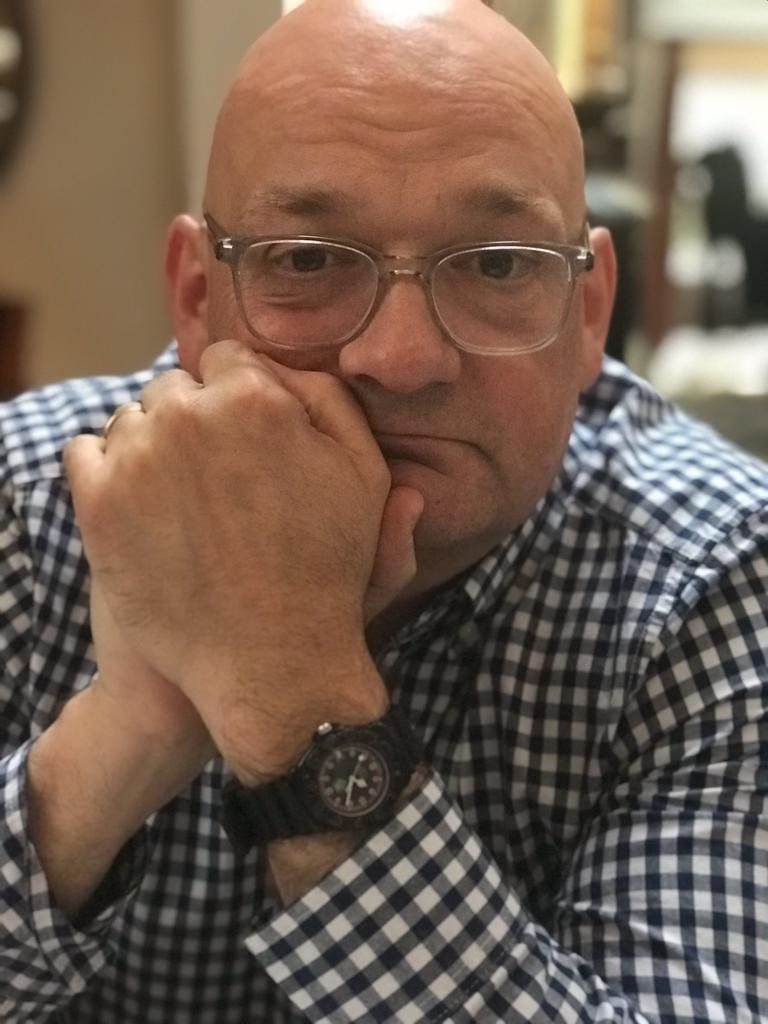
Andy Mattin
Executive Director of Nursing and Quality (retired), NHS
Andy Mattin has over 20 years experience of senior NHS operational and strategic nursing roles. He served as Executive Director of Nursing and Quality at Central and North West London NHS Trust, one of the largest providers of mental health and community services in the South of England, and has extensive experience working in secure mental health settings. Andy was Chair of the London Mental Health Trust Nurse Directors group and was involved in London-wide innovations including the Capital Nurse programme, focusing on recruitment. He is particularly interested in patient safety, staff development and education. Andy is a visiting Professor at Buckinghamshire New University.
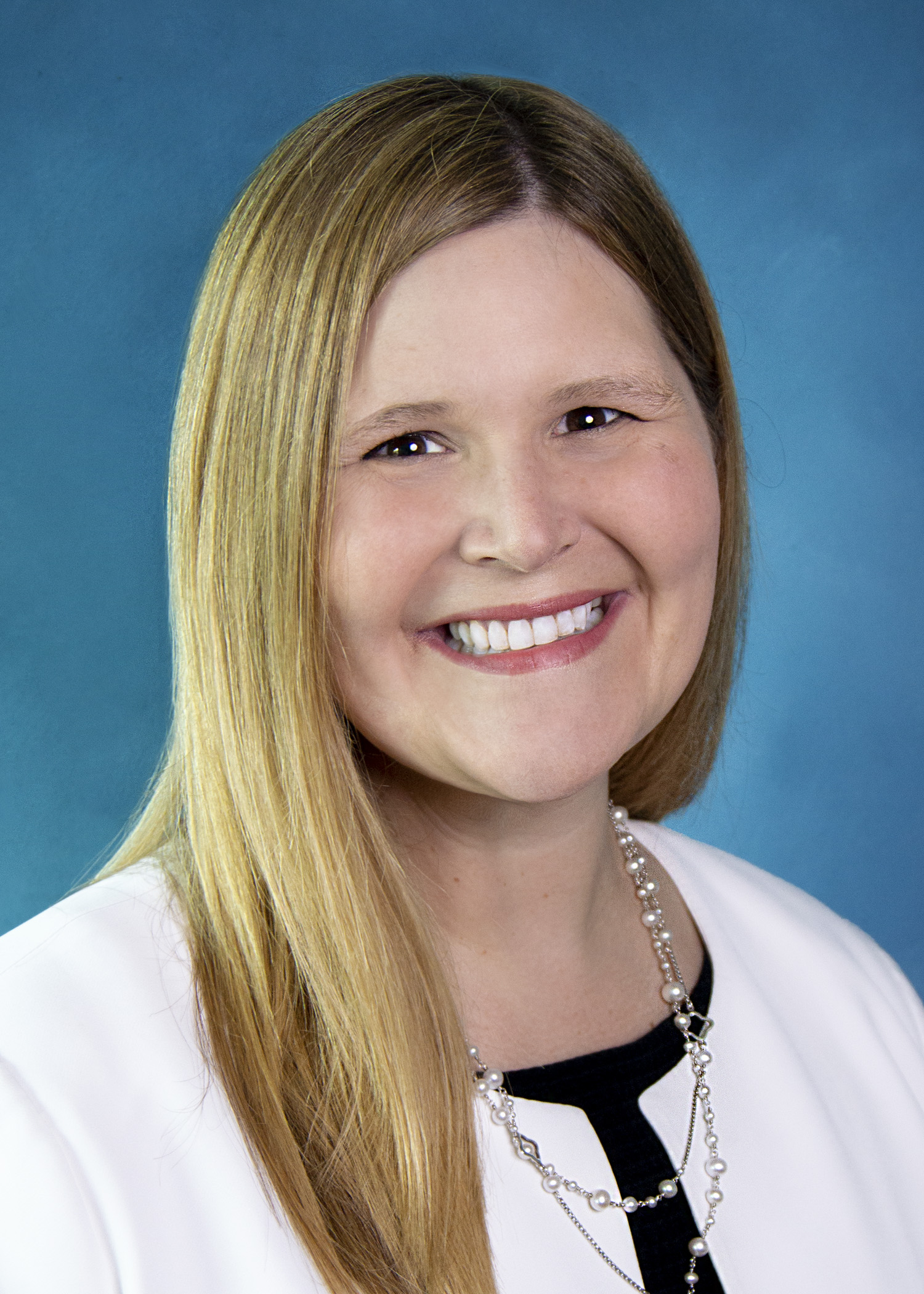
Alice Nuttal
AVP, Behavioral Health Services, Lakeland Regional Health
Alice Nuttall, MBA, RN, BA, FACHE, is a transformational healthcare executive and AVP of Behavioral Health Services at Lakeland Regional Health. With 20+ years of experience, she led the development of LRH’s state-of-the-art Behavioral Health and Wellness Center. Alice is collaborating with graduate medical education, behavioral health providers, local law enforcement, first responders, social service agencies, and local government to raise behavioral health awareness, increase access to services, and reduce the stigma for those with mental health disorders.
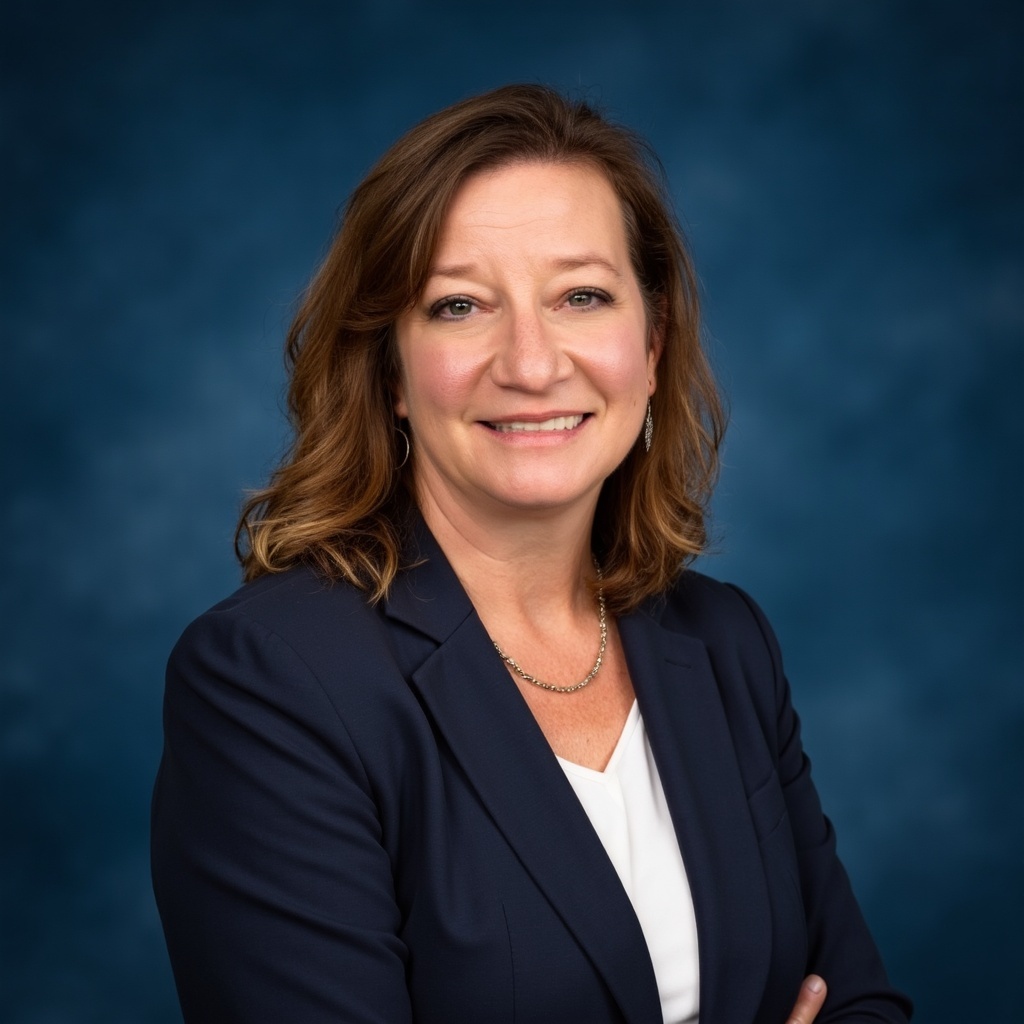
Kimberly Goodrich
Director, Behavioral Health Inpatient Operations, Vail Health
Kimberly Goodrich, MHW, PMP, EDAC, LSSGB, is a seasoned healthcare leader with experience in behavioral health operations, non-profit leadership, emergency response, and strategic development. She previously led system wide behavioral health and crisis response initiatives for Eagle County and has held national roles in patient advocacy. A PMP, Lean Six Sigma Green Belt, and EDAC professional, Kim holds a master's degree in Community Mental Health Administration and is active on local boards and advisory committees, focused on equitable, person centered behavioral health systems.

Laura Cozens
Head of Patient Safety and Quality, LIO
Laura Cozens is a Registered Mental Health Nurse with over 20 years of senior clinical experience, including nearly two decades in high-secure and forensic services within the NHS. At LIO, she leverages her frontline expertise to bridge the "observation gap," championing digital solutions that enhance patient safety and clinical operational efficiency.

.jpg)


